Sources told Afghanistan International on the condition of anonymity that the Taliban entered the old bazaar of Balkhab district, where the fight rages on.
The old bazaar is located near Qom Kotal and both are part of Balkhab district of Sar-e-Pul province.
Some sources close to Mawlawi Mahdi have claimed that the Taliban forces are now under siege by the local commander. However, there has been no official account from the Taliban regarding the clashes in this northern district even after three days.
Also, there is no official figure for the casualties of the Balkhab battle. Local sources say that Taliban helicopters have been hovering over Balkhab district since Friday, targeting forces affiliated with Mawlawi Mahdi.
Meanwhile, sources told Afghanistan International that the two sides are currently engaged in regrouping their forces as the war intensifies.
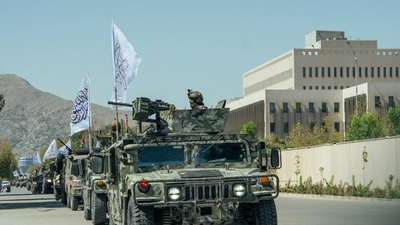
Local sources who spoke on the condition of anonymity in Bamiyan province said that the Taliban dispatched a group of fighters from the province to Sar-e-Pul. Other sources aware of the development in Sar-e- Pol province confirmed that about 60 Uzbek fighters have recently joined the Balkhab battle to support Mawlawi Mahdi’s forces. Also, in recent days, the Taliban has sent military convoys from the northern provinces to suppress Mawlawi Mahdi in Balkhab district of Sar-e-Pul province.
Mawlawi Mahdi was the sole Hazara commander of the Taliban who served the group as Bamiyan’s provincial intelligence director shortly after the group took over Afghanistan following the collapse of Kabul on August 15, 2021. In January 2022, the Taliban removed Mahdi from Bamiyan, who moved to his hometown of Balkhab district in Sar-e-Pul province and parted with the group.
He later expressed dissatisfaction with the group for "the absence of Hazaras and Shiite participation in the Taliban government”.